
What an expectant mother should know...
An expectant mother’s top priority is to protect her own health and support her baby’s healthy development. Pregnancy is a miraculous yet equally delicate process during which the body undergoes a complete transformation from head to toe. During this time, understanding scientific and practical facts—rather than relying on hearsay—will help ease your concerns. Below, you’ll find the most common situations encountered during pregnancy and the key points to keep in mind.
Regarding the process
It is essential for expectant parents to understand that every moment and stage of pregnancy has its own unique characteristics and that they must adapt their behavior accordingly.
When Should You See a Doctor?
If you experience any of the following during your pregnancy, you should contact your doctor or the nearest healthcare facility immediately:
Vaginal bleeding or persistent spotting
Leakage of fluid (suspected premature rupture of membranes)
Severe and persistent headache, blurred vision, or flashing lights (signs of preeclampsia)
A noticeable decrease in fetal movement or the inability to feel the baby moving (especially after the 20th week)
Physical blows to the abdomen or falls
Painful contractions occurring at frequent intervals that do not subside with rest
Important Note: The course of pregnancy is unique to each individual. Advice from friends or online forums may not align with your specific physiology. Consulting your obstetrician directly with any questions or concerns is the safest course of action for both your health and that of your baby.
Nutrition and Supplements
Folate (Folic Acid) Use: To prevent neural tube defects (such as structural anomalies like spina bifida) in babies, folic acid supplementation starting before pregnancy and continuing through the first 3 months of pregnancy is vital. This process is critical for cell division and DNA synthesis.
Iron Deficiency and Anemia: Blood volume increases by approximately 50% during pregnancy. This leads to a dilution of red blood cells, which carry oxygen to the tissues (physiological anemia). If iron supplements are not taken, the mother may experience extreme fatigue, and the baby may be at risk of developmental delays. Iron supplements should not be taken with calcium (milk and dairy products) because calcium inhibits iron absorption.
Food Safety and Infections: The immune system is naturally suppressed during pregnancy. For this reason, raw meat (raw meatballs, undercooked steak), unwashed vegetables, and unpasteurized dairy products (especially soft cheeses) should be strictly avoided. These foods can lead to serious infections such as Toxoplasma and Listeria, which can cause intellectual disability in the baby, miscarriage, or stillbirth.
Physical Changes and Routine Issues
Nausea and Vomiting (Hyperemesis Gravidarum): Morning sickness is more common, especially during the first trimester (the first 3 months), due to hormonal changes. It can usually be alleviated with light snacks and saltine crackers. However, if the expectant mother cannot keep any fluids or food down, is losing weight rapidly, and has decreased urine output, this condition is called “Hyperemesis Gravidarum.” Dehydration is dangerous for both the mother and the baby and requires IV (intravenous) fluid replacement in a hospital setting.
Heartburn and Reflux: The hormone progesterone, secreted during pregnancy, relaxes the valve between the stomach and the esophagus. Additionally, as the growing uterus presses against the stomach, stomach acid flows back upward. Eating small, frequent meals and avoiding lying down immediately after eating can help reduce these symptoms.
Gestational Diabetes: It typically develops between the 24th and 28th weeks of pregnancy due to hormones secreted by the placenta, causing insulin resistance. Contrary to popular belief, the gestational diabetes screening (glucose tolerance test) never harms the baby or the mother; on the contrary, by detecting and managing this insidious condition, it prevents the baby from being born excessively large (macrosomia) and helps avoid potential birth injuries.
Risks to Be Aware Of and Medication Use
Inappropriate Use of Medications: Many medications used during pregnancy can cross the placenta and irreversibly disrupt the baby’s organ development (teratogenic effect). Even the simplest pain relievers should not be used without consulting a doctor. For example, certain pain relievers used in the later stages of pregnancy can cause the premature closure of the baby’s vital blood vessels in the womb (ductus arteriosus).
High Blood Pressure During Pregnancy (Preeclampsia): Commonly known as “pregnancy poisoning,” preeclampsia is characterized by high blood pressure, protein in the urine, and excessive swelling in the body (especially in the hands and face). It begins with the placenta implanting abnormally in the uterine wall. If left untreated, it can lead to seizures (eclampsia) and organ failure in the expectant mother, as well as life-threatening complications for the baby.
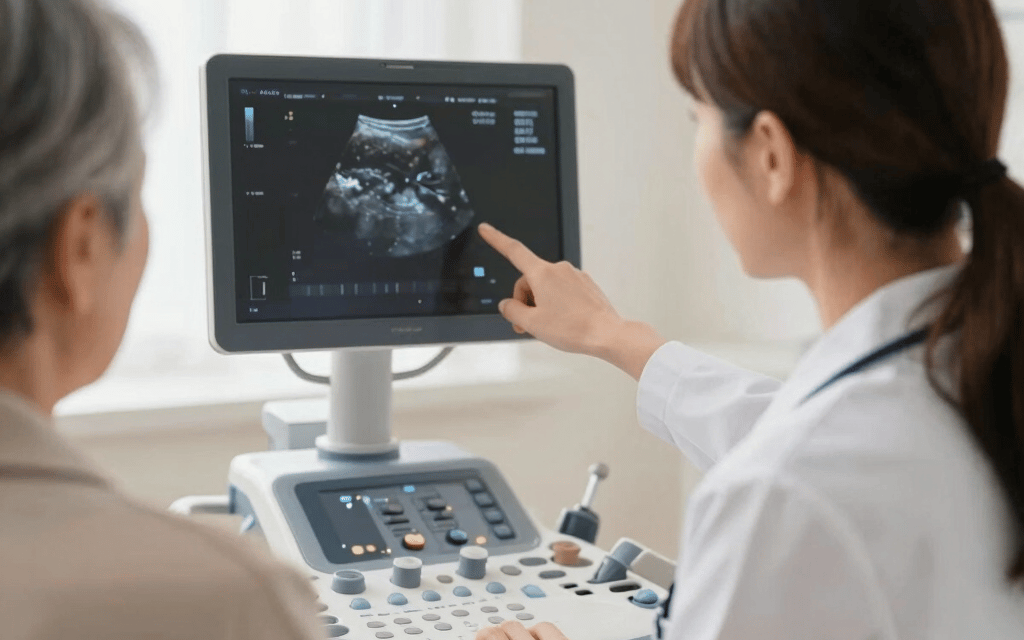
Radiation and Imaging: Methods involving ionizing radiation, such as X-rays and CT scans, should be avoided throughout pregnancy. In unavoidable situations, such as dental treatment, a lead apron must always be worn. Ultrasound, however, is completely safe for the baby because it uses sound waves.
Daily Life and Habits
Travel and Sleeping Positions: Sleeping on your back is not recommended, especially after the 20th week. When lying on your back, the growing uterus puts pressure on the main vein carrying blood to the heart (the inferior vena cava). This can cause a sudden drop in blood pressure and reduced blood flow to the baby. The ideal position is to sleep on your left side.
Travel: During long trips, the risk of blood clots (thrombosis) is much higher for pregnant women than for the general population. Therefore, you should take a break every 1.5–2 hours to walk around and promote circulation.
Merve Medical Center
Reliable and accessible healthcare in Istanbul since 1992..
CHAPTERS
Home
Our Units
About
Contact
CONTACT
info@mervetipmerkezi.com
+90 212 537 77 79
İstanbul, Türkiye
7/24 Emergency & Outpatient Services
© 2026 Merve Medical Center - Uninterrupted medical care in Istanbul since 1992.
Editor: Dr. Gökhan Çetinkaya Web Design: Nahit Demir Last Updated: September 26, 2026
CLINICAL EXPERTISE AND TRUST