
Physical Therapy and Rehabilitation Fields
Physical therapy and rehabilitation are not merely processes that alleviate temporary muscle pain; they are branches of medicine that directly target the nervous, muscular, and skeletal systems to restore a person’s mobility and quality of life.
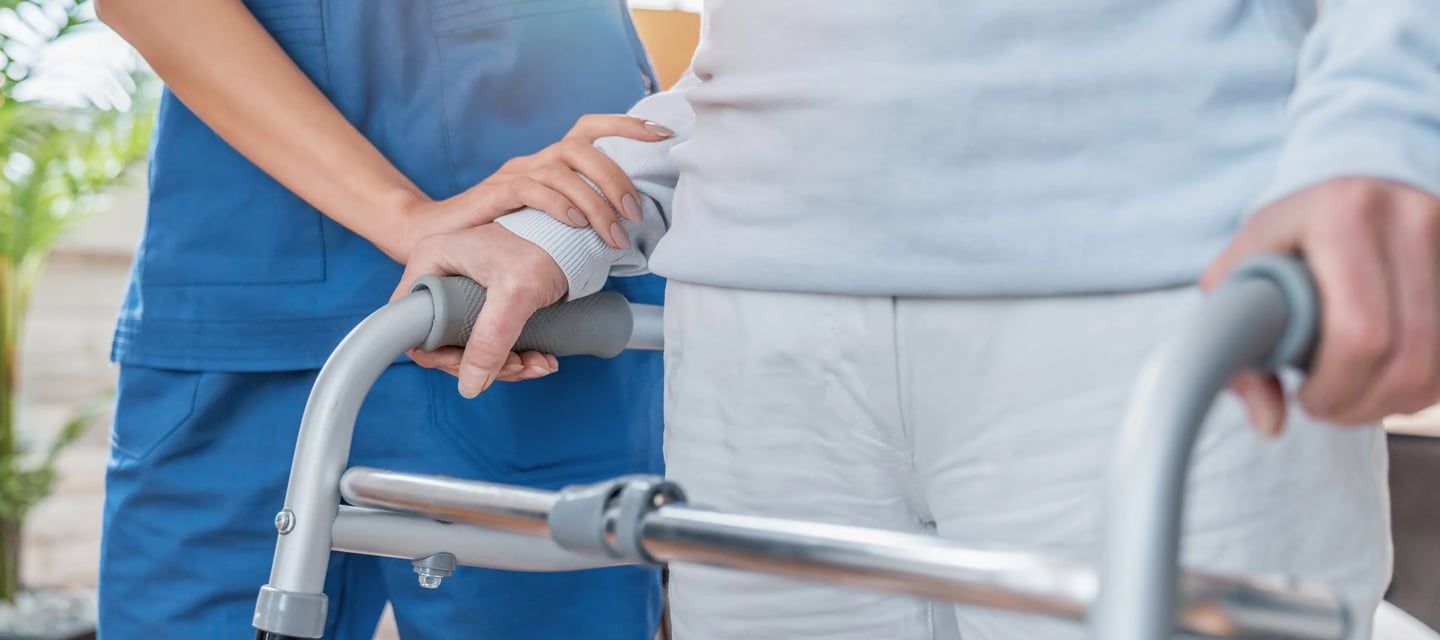
Physical therapy treatments comprise a combination of electrotherapy (current therapies), thermotherapy (heat/cold applications), manual therapy (hands-on techniques), and individually tailored therapeutic exercises. The primary goal of these treatments is to increase blood circulation in damaged tissues, reduce swelling, relieve pressure on nerves, and correct the body’s biomechanics by strengthening weakened muscles. Rather than risking permanent disability through unsupervised exercises or harsh interventions performed by non-specialists, the process must be managed under the supervision of a board-certified physical medicine and rehabilitation (PM&R) specialist.
Spinal and Joint Disorders
Lumbar and cervical herniated discs (herniated nucleus pulposus): It occurs when the discs between the vertebrae tear and protrude, putting pressure on the nerves leading to the leg or arm. Physical therapy aims to reduce intradiscal pressure through traction (stretching) methods, reduce inflammation by increasing blood flow in the affected area with deep-tissue heat therapy, and alleviate the load on the spine by strengthening the core muscles. As a result, the majority of patients recover without the need for surgery.
Osteoarthritis: It is the gradual wear and tear of cartilage tissue, particularly in weight-bearing joints such as the knee, hip, and shoulder. The goal of treatment is to enhance the synovial fluid's nourishing properties, reduce joint load by strengthening the surrounding muscles, and preserve the joint’s range of motion (ROM) so the patient can walk independently.
Nerve Compression and Neurological Rehabilitation
Carpal Tunnel Syndrome: This condition is characterized by numbness and pain in the first three fingers of the hand, as well as muscle atrophy in the thumb muscles in later stages, resulting from compression of the median nerve—which passes through the wrist—in the narrow tunnel at this site. In physical therapy, ultrasound, local laser therapy, and nerve mobilization exercises are used to reduce swelling within the tunnel and relieve pressure on the nerve.
Neurological Disorders (Stroke / Hemiplegia / Parkinson's Disease): Rehabilitation is of vital importance in cases of stroke affecting one side of the body following a blockage or hemorrhage in the brain’s blood vessels. Through intensive exercise programs and robotic rehabilitation designed to trigger the brain’s ability to reorganize itself (neuroplasticity), patients are able to relearn how to walk, use their hands, and perform daily activities independently.
When should you see a PTR specialist?
In the following situations, you should consult a Physical Medicine and Rehabilitation specialist without delay and begin your treatment:
Pain that starts in the neck or lower back and radiates to your arm or leg, accompanied by numbness and tingling
When you experience weakness in your hand or foot that causes you to drop objects (e.g., foot drop or difficulty gripping)
When you experience limited joint movement, or stiffness and rigidity in your joints that lasts longer than half an hour in the morning
To regain joint mobility following orthopedic surgeries (e.g., anterior cruciate ligament surgery, joint replacement surgeries)
When delays in motor skills—such as head control, sitting, or walking—are noticed in infants or children compared to their peers
Important Note: The physical therapy process requires patience and active participation. The device-based treatments provided at the clinic are just the tip of the iceberg; the most important factor in ensuring lasting results is the exercise program that your physical therapist teaches you specifically and that you must follow diligently at home. If you have any concerns regarding your muscle and joint health, please feel free to contact our clinic.
Pediatric (Childhood) Rehabilitation
Cerebral Palsy: It is a permanent but non-progressive disorder of movement and posture caused by damage to the baby’s developing brain before, during, or after birth. Thanks to early pediatric rehabilitation, spasticity (excessive muscle tension) in the child is managed, joint contractures (permanent shortening or locking) are prevented, and the child’s developmental milestones (sitting, crawling, walking) are supported.
Congenital Brachial Plexus Injuries: It is damage to the nerve network leading to the arm resulting from excessive stretching of the baby’s neck during birth. The baby experiences loss of movement in the affected arm. Proper positioning, passive joint movements, and sensory stimulation exercises, when started in the first few weeks, accelerate nerve recovery and prevent the arm from becoming permanently paralyzed.
Critical Incorrect Intervention Warning: Patients with herniated discs in the lower back or neck who seek treatment from non-medical practitioners—commonly known as “back pullers” or “bone-setters”—risk the herniated disc completely tearing and compressing the spinal cord, leading to sudden urinary or fecal incontinence and even irreversible paralysis. The spine is delicate and should not be taken lightly!
Merve Medical Center
Reliable and accessible healthcare in Istanbul since 1992..
CHAPTERS
Home
Our Units
About
Contact
CONTACT
info@mervetipmerkezi.com
+90 212 537 77 79
İstanbul, Türkiye
7/24 Emergency & Outpatient Services
© 2026 Merve Medical Center - Uninterrupted medical care in Istanbul since 1992.
Editor: Dr. Gökhan Çetinkaya Web Design: Nahit Demir Last Updated: September 26, 2026
CLINICAL EXPERTISE AND TRUST