
Hair Transplantation, PRP, and Mesotherapy Treatments
Hair loss and baldness are common clinical conditions that directly affect both physical appearance and psychosocial well-being. Today, hair restoration relies on a combination of surgical methods (FUE) and treatments that nourish and regenerate at the cellular level (PRP and mesotherapy).
What are the benefits of PRP and mesotherapy treatments for the scalp?
Methods used to stop hair loss and restore lost hair aim to improve microcirculation in the scalp and induce hair follicles (roots) into the active growth phase (anagen phase). While hair transplantation offers a permanent solution, treatments such as PRP and mesotherapy prevent hair loss by improving the quality of existing hair and support the success of the transplant. All of these procedures fall under the category of surgical and medical interventions and must be performed under sterile clinical conditions by medical doctors experienced in this field.
Modern Hair Transplantation: What Is FUE (Follicular Unit Extraction)?
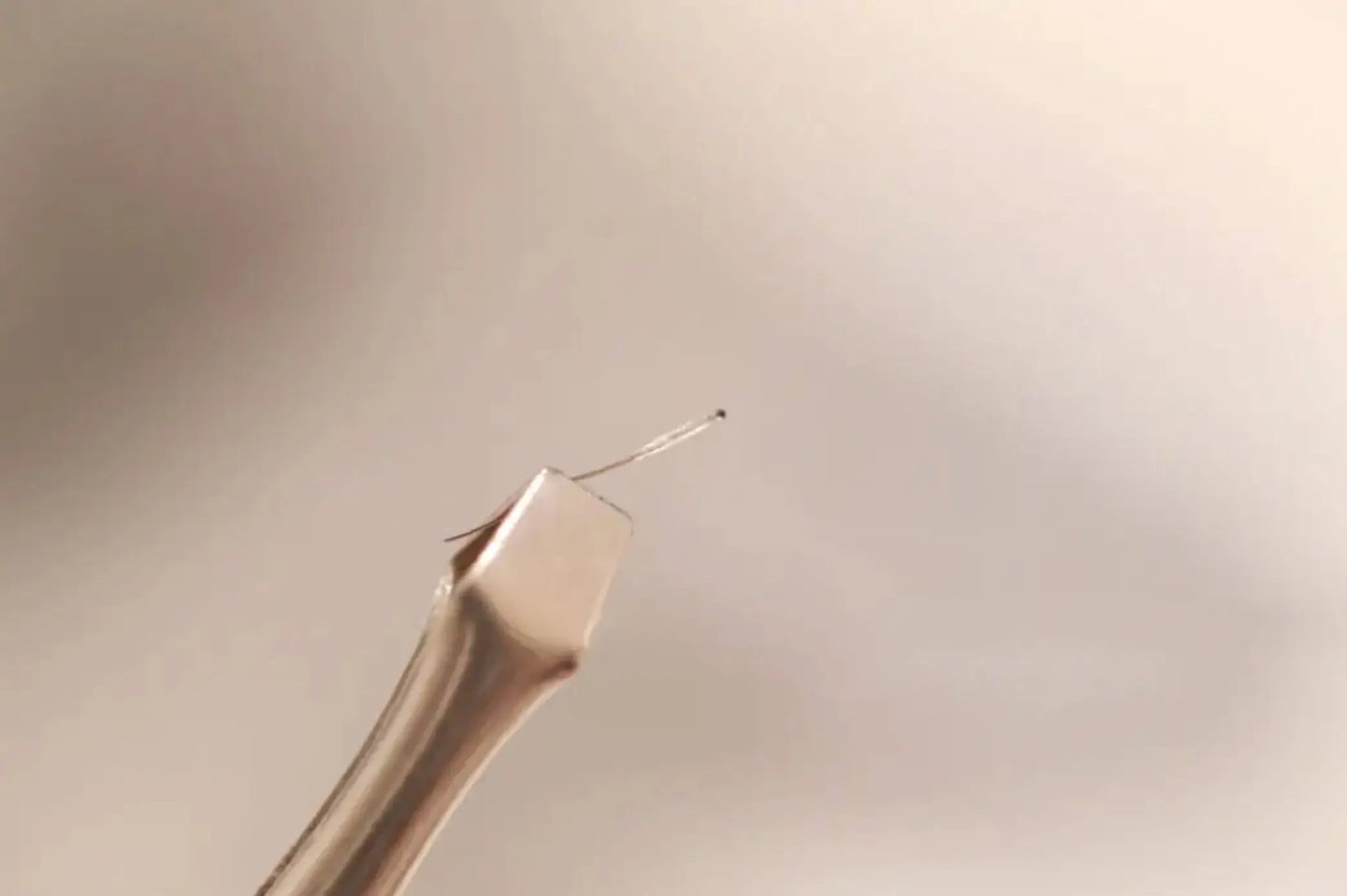
The Basis of the Method: FUE is a procedure in which hair follicles are extracted one by one (as follicular units) from the safe donor area—located between the two ears and at the back of the head—using special punches with diameters ranging from 0.6 mm to 0.8 mm, operated by micromotors. These harvested follicular units (grafts) are then individually implanted into microchannels created in the balding area, with the natural direction and angle of hair growth taken into account.
Advantages: Unlike older surgical methods (such as the FUT method, in which a strip of skin is cut and removed from the back of the head), the FUE method does not require stitches and leaves no linear or permanent scar on the scalp. The recovery process is quite fast, and post-procedure pain is minimal.
Natural Appearance and Graft Health: The key to a successful FUE procedure is ensuring the grafts remain viable while they are outside the body. Additionally, designing the hairline to suit the individual’s facial anatomy and placing single hair follicles at the very front are essential for achieving a natural look.
When Should You See a Specialist?
To maintain your hair health and stop hair loss early on, you should consult a dermatologist or hair restoration specialist in the following situations:
When you notice hair loss of more than 100 strands per day, and this condition persists for more than 2 months
When you begin to notice a noticeable thinning and loss of vitality in your hair, along with increased visibility of your scalp
If you are planning a hair transplant, have your donor area (hair density in the back of the head) analyzed to determine if it is sufficient for the procedure
After undergoing a hair transplant, to increase the survival rate of the transplanted follicles and accelerate healing (for PRP/mesotherapy sessions to begin in the first month after the procedure)
When you experience excessive oiliness, itching, flaking, and associated hair loss on your scalp
Important Note: Hair transplants and hair treatments are not alternatives to one another, but rather complementary processes. The best clinical results are achieved following a properly planned transplant session using the FUE method, combined with PRP and hair mesotherapy protocols administered at regular intervals to nourish the hair follicles. Please contact our clinic for a hair analysis and a personalized treatment plan.
Cellular Treatments: Intra-Follicular PRP and Mesotherapy
Hair PRP (Platelet-Rich Plasma): This procedure involves centrifuging approximately 10 ml of blood drawn from the patient’s own vein at high speed in special tubes to separate the plasma fraction rich in growth factors. This naturally derived serum is then injected into the scalp using micro-needles. The growth factors secreted by platelets stimulate weakened hair follicles, improve microcirculation, and stop hair loss by thickening the hair shaft. Since the patient’s own blood is used, there is no risk of an allergic reaction.
Hair Mesotherapy: It involves the direct injection of a special cocktail—comprising the vitamins (particularly B-complex vitamins and biotin), minerals (zinc and copper), amino acids, and vasodilator agents that hair needs for healthy growth—into the dermis (middle layer of the skin) where the hair follicles are located. Compared to oral supplements, its effect is extremely fast and powerful because it reaches the target tissue directly without being lost in the digestive system.
Common Misconceptions and Clinical Warnings
The Misconception That "Every Lost Hair Is Immediately Replanted": It is a mistake to plan a hair transplant during the acute phase, when active, severe hair loss is ongoing. First, the underlying causes of the hair loss—such as hormonal imbalances (elevated DHT levels), thyroid disorders, or vitamin and mineral deficiencies (iron, ferritin, zinc)—must be investigated and treated. If a transplant is performed before hair loss has stabilized, the transplanted hair will remain while the surrounding original hair continues to fall out, resulting in an aesthetically unsatisfactory appearance.
Post-Planting Shock Drop: Between the 2nd and 4th weeks following a hair transplant, the transplanted hair strands will temporarily fall out. This "shock loss" is an entirely physiological process and serves as a preparatory phase for the follicles to transition into the anagen (growth) phase in their new locations. Patients should not panic during this period; new, permanent hair will begin to grow starting in the 3rd month.
Critical Hygiene and Licensing Notice: Hair transplants and injectable hair treatments should never be performed in hair salons or unlicensed "back-alley" clinics. Procedures performed under non-sterile conditions can lead to severe necrosis (tissue death) of the scalp, permanent bald patches, and systemic infections transmitted through blood, such as hepatitis B and C.
Merve Medical Center
Reliable and accessible healthcare in Istanbul since 1992..
CHAPTERS
Home
Our Units
About
Contact
CONTACT
info@mervetipmerkezi.com
+90 212 537 77 79
İstanbul, Türkiye
7/24 Emergency & Outpatient Services
© 2026 Merve Medical Center - Uninterrupted medical care in Istanbul since 1992.
Editor: Dr. Gökhan Çetinkaya Web Design: Nahit Demir Last Updated: September 26, 2026
CLINICAL EXPERTISE AND TRUST